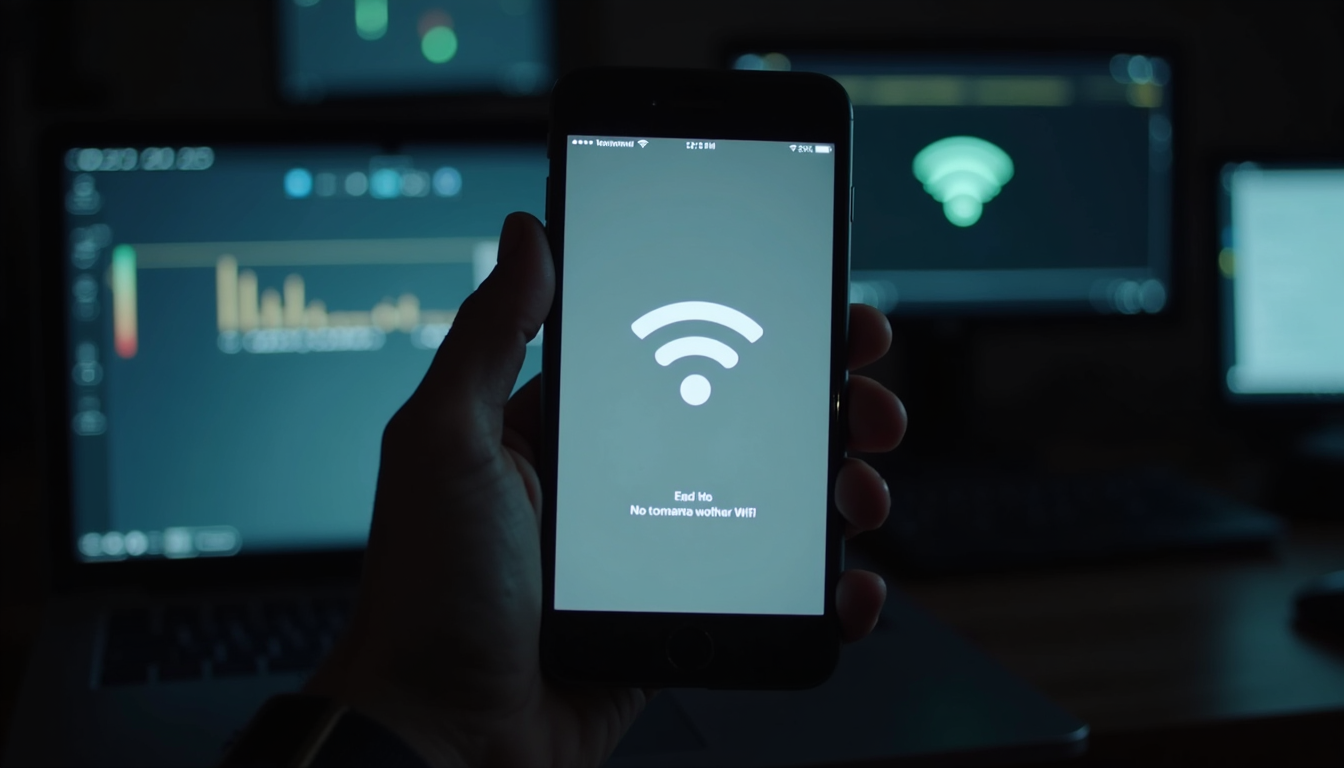
“Picture this: It’s Monday morning at a busy gym. Members are lined up. The front desk staff pulls up the membership system and… nothing. The internet is down.”
Most SaaS apps? That’s a disaster. Staff scribble names on paper, apologizing profusely. Members grumble. Revenue slips through the cracks.
But what if the app just… worked anyway?
The Day the Internet Went Down (And Nobody Freaked Out)
A consultant once built a gym management system with one unusual requirement: it had to work perfectly offline.
The gym owner had been burned before. Their previous cloud-based system crashed during the Saturday morning rush—four full hours of chaos. Members couldn’t check in. Classes couldn’t be tracked. Staff had to turn away paying customers. The owner’s warning was clear:
“I need a system that works whether the internet is up, down, or on fire.”
Challenge accepted.
Why Does Everything Need the Internet Anyway?
The member is standing right there. Their information exists locally. Verifying membership? Logging check-ins? Simple.
Yet most modern systems route that request across the globe before confirming what they already know. It’s like asking headquarters for permission to use your own bathroom.
The Offline-First Philosophy
This mental shift is revolutionary:
- Data is stored locally first.
- Every action works without server confirmation.
- Syncing is a bonus, not a requirement.
- User experience doesn’t depend on WiFi.
Member check-ins happen instantly. Class enrollments update immediately. Equipment logs save without delay.
When the internet is available, data syncs for backups and multi-location access. That’s gravy. The system doesn’t need it to function.
When “Internet-Optional” Becomes “Internet-Essential”
Three months post-deployment, the gym’s internet went down again. The owner called:
“Internet’s out. Just letting you know everything’s still working perfectly. Members are checking in. Classes are running. No worries.”
No panic. No crisis. Just business as usual.
Who Else Needs Offline-First?
- Retail Stores in Malls: Slow WiFi? Offline POS keeps sales moving.
- Food Trucks & Pop-ups: Outdoor events, congested networks—orders processed locally.
- Field Service Technicians: Basements, remote areas—work orders completed without signal.
- Rural Medical Clinics: Patient records accessible even when connectivity fails.
- Delivery Drivers: Route planning and proof-of-delivery work offline.
Offline-first isn’t just a feature—it’s a reliability strategy.
The Technical Reality
Offline-first is harder than cloud-dependent apps. Consider:
- Local storage and encryption
- Conflict resolution when syncing
- Data integrity across devices
- Performance with large datasets
- Background sync strategies
But here’s the kicker: these challenges exist in cloud apps too. Offline-first just forces you to solve them properly, making the app more reliable even when the internet works.
The User Experience Win
Users don’t care about APIs, servers, or cloud infra. They care that something happens when they tap a button.
Offline-first apps feel instant: no loading spinners, no “please wait,” no “check your connection” error messages. Just software that actually works.
It’s Not About Hating the Cloud
Cloud services are amazing: backups, analytics, multi-device sync. But they should enhance your app, not enable it.
Think of it like a car with heated seats. Heated seats are awesome. But the car should still drive if the heater breaks.
Making the Shift
Before building a business-critical app, ask:
“What happens if the internet goes down at the worst possible moment?”
If the answer is “my business stops,” reconsider the architecture.
Not every app needs offline-first. Social media? Cloud-dependent. Photo sharing? Cloud-dependent.
Inventory systems, POS terminals, appointment schedulers, field service apps? Offline-first makes sense—and often, it’s a must-have.
The Bottom Line
The gym is still running smoothly. Internet outages happen, sometimes for hours. Staff doesn’t panic. Members check in. Classes continue. Life goes on.
Offline-first turns internet failure from crisis into a non-event.
In a world where everyone assumes perfect connectivity, building apps that function independently? That’s peace of mind, not just software design.
Takeaway: Before your next business-critical project, ask:
“Does this really need the internet to function, or have we just accepted that as normal?”
Sometimes, the best feature you can build is the one that works when everything else fails.